


Episode Highlights:
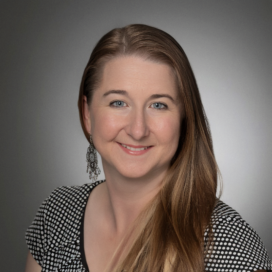
April Sharry, VP of Marketing at Dental Depot: “[With one brand] I can create two or three campaigns that make sense across all my different regions. I can balance my budgets. If I need to spend more on a brand new location, I’ve got another location that’s been here for 40 years where I don’t have to, so I can shift budget throughout the locations and regions.”
Episode overview
Most DSOs think scale requires complexity. But what if one brand could actually make growth simpler?
On this episode of Ignite, host Ashley Petrochenko, VP of Brand Marketing at Cardinal, sits down with April Sharry, VP of Marketing at Dental Depot. April shares how she has spent 10 years helping scale the organization to 40 general dentistry locations and five orthodontic practices across four states, while keeping one recognizable brand at the center. She breaks down how that approach simplifies campaigns, budget allocation, and marketing operations while preserving the founder-led culture and community roots that make Dental Depot stand out.
You’ll walk away with:
- How one brand architecture simplifies marketing across dozens of locations
- Why founder-led culture protects brand integrity through expansion
- How fixing review management helped Dental Depot reach 4.7 stars
- Why community marketing can build recognition beyond traditional ROI
If you’re navigating multi-location growth or weighing a move toward one unified brand, this episode offers a practical blueprint for scaling without sacrificing what makes the brand memorable.
Announcer: Welcome to the Ignite podcast, the only healthcare marketing podcast that digs into the digital strategies and tactics that help you accelerate growth. Each week, Cardinal’s experts explore innovative ways to build your digital presence and attract more patients. Buckle up for another episode of Ignite.
Ashley Petrochenko: Hey, everybody. Welcome back for another episode of the Ignite healthcare marketing podcast. Joining me today is April Sharry, the VP of Marketing at Dental Depot. April, welcome to Ignite.
April Sharry: Hi, thanks for having me.
Ashley: I’m so happy to have this conversation. We’ve met face-to-face before at Dykema, and now we get to talk and get into the weeds, all things dental marketing. Before we do that, let’s give our listeners a little bit of background about who you are, where you came from, and how that shapes your approach to marketing at Dental Depot.
April: Let’s just start way back. I was born and raised half my life here in Western Oklahoma. I’m a Western Oklahoma small-town girl. Then moved to Kansas around fourth grade, and that’s where I stayed and graduated high school. Then I just couldn’t stay away from the red dirt. I just went straight back to Western Oklahoma, graduated from Southwestern Oklahoma State University with my major in marketing and a minor in graphic design.
Then when I graduated, I just moved to Oklahoma City. It was 2008. Finding a marketing job at that time wasn’t the easiest, but I eventually did it. I found myself in a sales assistant gig at a local TV station, which was great experience. Then I decided that I’d check out all the media companies. From the local TV station, I went and worked at our local iHeartRadio station. It was Clear Channel at the time.
Then from there, I actually moved over to The Oklahoman, which was our major print product here in Oklahoma. Worked on the print side, actually in the marketing department for a while. Then they sparked up a digital marketing agency. I thought that was a great opportunity to learn this really new, the way of marketing that it was going. I jumped over to that side of things, got to help brand the company. That was awesome. I was a project manager, so I oversaw any of the services that we did. I got to learn about everything, about SEO, about PPC.
Then eventually, I actually decided I wanted to be a technical person. Project management was great, and it was a good way to learn all of those pieces and the customer service part of it. I decided that I really wanted to learn how to run PPC campaigns. In my last year and a half, two years there at the digital marketing agency, I ran probably anywhere from 20 to 30 PPC campaigns at a time. I learned a whole, whole lot over there. As you know, being in a digital marketing agency, you’re always learning something. It’s always fast-paced, and you’re learning from each other. It was just a great experience.
Then in 2016, I saw this position for the director of marketing at Dental Depot. I thought, “I’m looking for a change. I love it that I’ve learned so much. I like that I get to be in all these different brands and all these different industries, but how cool would it be to see what you can affect and what change you can affect in one brand and being an internal marketing person?” That’s how I ended up at Depot.
For my job interview, I did a whole digital audit of Depot and the website, and that’s what I walked in with. I didn’t even make it all the way home before I got a phone call. It was just a good fit. Here I am. I’ve been here for– it was 10 years in March. That was my journey to where I’ve ended up.
Ashley: It’s just the way that someone at an agency would walk into an interview. I love it. [laughs] That’s great. You have a diverse background across channels, across industries. We’ll talk a little bit more in the episode of how that shapes your perspective and how you’ve built the marketing program at Dental Depot. One element I want to lead the conversation with is building the brand. How have you leaned into that at Dental Depot? Maybe give our listeners a little bit about who Dental Depot is and its mission and how it came to be.
April: Dental Depot has been around since 1978. Going on 48 years, I think, was this year’s anniversary. It was all started by Dr. Glenn Ashmore right here in the heart of Oklahoma City. He had the one location that was actually just a house that they converted into a four-chair dental office back in 1978. The way the whole train thing even started is him and his wife went to New York City and went into FAO Schwarz, which is a department store. They had trains running through the toy area in all parts of it.
Arlene, his wife, thought that was so cool. She said, “You know what? This is what you should do in your dental office. People will love this. This will be different. It’ll keep people calm.” That’s what they did. They went back, and he outfitted the inside of the office with trains that went through it. Then they just started, honestly, just collecting all kinds of train memorabilia.
Then no expansion actually started until 2000. They started actually building a second location down in South Oklahoma City. Dr. Glenn was– I guess, he was just bored. They were empty nesters. He’s like, “I want to try this out.” He did that. Really, just ever since then, it’s been expanding two locations every year.
Ashley: How many locations are you at now?
April: We’re at 40 locations now. 40 general locations. Then we have five orthodontic practices as well. Obviously, a large concentration of those are in Oklahoma, in Oklahoma City, in Tulsa. We’re also in the Dallas-Fort Worth area. We have seven locations. We have seven locations in the Phoenix, Arizona area. Then we have expanded to three locations in the Kansas City, Missouri area.
Ashley: A slower start, but then it’s been a really steady growth story since then. I love a novel idea like seeing a train on a vacation. That’s fun. I think a lot of healthcare plays it really safe. We all know the stethoscope doctors and dentists. The brands are not very memorable. You guys have really built a memorable brand that stands out in the dental space. Not just the dental aspect, but more of the founder-led figure, how does that show up day-to-day in the organization? How does that shape the culture that brings people together?
April: Yes. I was going to say that we all do this because of Dr. Glenn. He really leads the charge, and he always has. He’s always been very passionate and very vocal about, “Look, we’re here to take care of these people. We’re going to find a way to do it. If they’ve got financial issues, if they need scheduling, we’re going to take care of them.” He’s really big on, “We’re not going to present them ridiculous treatment plans. We need to get them out of pain, and we need to make sure we do it in a way that’s physically responsible for them.”
He’s all about the community. That’s how he started this brand. He just really built it grassroots. The location that he first started at is on the edge of the neighborhood that he grew up in. This corporate office that I’m sitting in right now is actually and pretty much shares a parking lot with the high school that he graduated from. The practice field over here is branded with Dental Depot. He’s really, really about taking care of people and the communities that we live in.
Ashley: As you’ve scaled and added new locations, brought on new doctors, how have you been able to maintain that and keep the momentum going and the message going across all the employees, across different locations?
April: We have a lot of legacy people here. A lot of people that have been working here with Dr. Glenn for– myself, 10 years. I’ve got a lot of people in this office that have been here 15, 20 years. People that worked at his office that have literally been there for 40 years. Had some people that just retired last year that they were literally from the beginning. They were retiring at 47 years here.
We’d all just take on his philosophy, and we feed that through the rest of the organization. He’s still very integral in helping train the new doctors, spending time with them, showing him his tips and tricks and his thoughts on things. He’s just still really ingrained in that. He is getting older, so we’re going to carry this torch for you. We just make sure that we hire those doctors and keep those doctors on as partners that really get it and really embody everything that Glenn has built. That’s how we carry it through, really through all of us channeling that from him.
Ashley: Has it been helpful to have that mission, that figurehead in terms of recruitment and healthcare and dentistry? Recruitment is hard. It’s a lot of competition. Has that been an advantage, you think?
April: Yes, I think it’s been a huge advantage. We started out family-owned, independent. We have officially moved into a DSO category. We started actually taking our partner doctors because before, it was just Dr. Glenn, and everybody was just an associate. Giving them some buy-in and really vetting them for their personalities and how they want to work, and getting them to spend time with Glenn has really been a great thing for us.
Ashley: Has there been any awkward moments where a doctor wanted to maintain if they had already had a practice identity? Has that ever come up? Really, they are buying into the whole, “This is becoming a part of Dental Depot.”
April: Really, they’re buying into the business part of Dental Depot. They like the way we do things. They want to just keep doing dentistry and helping people. You guys have this figured out. It’s people that want to buy into the whole system.
Ashley: Let’s talk about the power of one brand. Our listeners, so many of them are coming from a fragmented House of Brand architecture where, through acquisitions, over time, you are bringing on all these different identities, and they keep them separate because there is local brand equity that has been generated. Thinking about it’s a balancing act of pros and cons. Let’s talk a little bit about the pros. Where do you think actually having this brand has been the most advantageous for you? Where do you think it has been the biggest strength for Dental Depot?
April: Obviously, Dr. Glenn built it here. Everybody knows what Dental Depot is. It’s just very notable. It’s very recognizable already just because of the history. As we’ve expanded, he’s not just deciding, “Hey, I want to go to Phoenix. Hey, I want to go to Texas.” These are doctors who have worked here with him in Oklahoma City or at his practice and decided, “Hey, I really want to take this to my community in Dallas-Fort Worth. I really want to take this to where I’m from in Phoenix.” That’s how we’ve expanded, and we’ve really kept on to that core of that.
I think the big cons for having one brand is that I don’t have a ton of different complicated campaigns. I can create two to three campaigns, and it makes sense across all of my different regions for the most part. I can balance my budgets, like I was telling you yesterday, if I need to spend a little more on this brand new location. I’ve got this location that’s been here for 40 years that I don’t have to. I can just shift a little budget throughout the locations and regions in that manner that I don’t feel like I would be able to do, obviously, with House of Brands and different owners and things of that nature.
Ashley: It gets a lot more complicated, for sure. Managing multiple websites, like the marketing tracking that is associated with each of those, it gets quite complicated, as many of our listeners know. I think it’s their pain. Is there any cons to it, do you think?
April: Sometimes there can be some cons. You do have to remember, and I have to remind everybody at every turn, that we are one brand. While you are your own individual dentist in your own individual clinic, you have to understand that things that you do under one brand can affect other people in other clinics. Our job, obviously, marketing’s job is to really keep the integrity of the brand. We take that very, very seriously because we’re all under that one brand. Any damage to it is a damage to everybody. Really, that’s the only con that I can think of, the one that I come up against the most.
Ashley: That’s good for our listeners to hear. A lot of them are hesitating, weighing those risks. It’s like there is a brighter side, maybe on the other side, more efficient budget management, more efficient day-to-day operations, marketing, and attribution tracking becomes a lot simpler. It’s not always easy to make that plunge to consolidate, but there are a lot of benefits, and I think it makes it worth it, the way you have. I’ll drop it in the show notes for listeners. There’s a guide we just released on, when does it make sense to consolidate? I think that’ll be a good read.
Let’s talk about a specific campaign, too. I think founder-led brand, and I think the Dental Depot brand is fun. Looking through your materials, your website, a lot of healthcare, like I said, it’s sterile. When we look at consumer brands, there’s a lot of element of fun. They have mascots, they have caricatures. They can tap into these elements that bring joy to people. Can you tell listeners a little bit about Smiley O’Riley?
April: Sure, yes. Smiley O’Riley is our clown train mascot. They started Smiley O’Riley really as an educational mascot. He actually used to be a physical employee that we would have here in the marketing department. It’s been really hard to fill that position sometimes, so we’ve gone to a digital delivery, and he’s just an animated character at this point. He’s so fun. Yes, he goes in, and he educates kids on things that you should eat, things that you shouldn’t eat, like brushing, how long you should brush. Just a fun educational piece that’s real short, but it gets kids up and dancing and having a good time.
Then he always gives out Smiley O’Riley kits, which has the toothbrush and the toothpaste. The kids love it. I really wish that it was easier to employ a clown, because actually having the person and going out to the locations and to different events was so great because the kids really do enjoy it. We were able to put together a fun video with this local music group, kids group. Yes, you guys should check out the video. It’s fun. We deliver it to teachers via YouTube, and so they can use it in their classrooms.
Ashley: We’ll drop that in the show notes, too. How do you think about everyone plays it safe? They’re scared to take risks like this because they’re like, “Well, how can I show that this mascot, that this clown is going to actually help me build relationships or build affinity?” Is there a way that you’ve thought about how do you track it? How do you show that this is worth investing in?
April: Luckily, Dr. Glenn and leadership, they get it. This is one place I haven’t always been tied to it. Okay, but where’s the ROI on this? Because we’re in this community, we recognize that people recognize Smiley O’Riley. We obviously, when we give out the Smiley kits, there’s coupons in there that we can track, and we can track how many of those kits we’re giving away, how many teachers are actually requesting those without us being the ones reaching out. At this point, we really do operate off of requests from teachers and daycare workers and other things. I really say that’s probably how I measure it is the recognition and the amount of requests that we’re getting for those things.
Ashley: How do you guys think about that journey from– you mentioned people in daycares and schools, and they become patients. How do you think about their journey to adulthood and retaining them in the practice?
April: It’s surprising that people see Dental Depot, and they see the whole train, and it’s themed, and you just automatically think kids. We’re really a family practice, so we really see 50-50. We just think about it as, “Yes, they’re coming in as kids and with their family, but as we get older, they might still love the nostalgia of the trains in this.” Just keeping them on recall and reactivation and showing that we have different services that, as you get older, that are going to be beneficial. We’re not just a pediatrics, kids’ dentist, that we’re also there for all ages.
Ashley: You don’t find people who are aging out. They are bought into the experience, bought into the brand, and they stick around into adulthood. You mentioned recall and those reminders. Let’s talk about marketing tech, too. I think that is something, when you have that House of Brand experience with many different contact centers and websites and landing pages, it gets messy fast. It’s obviously a very pro reason to have a House of Brand, everything consolidated under one roof. What’s your tech stack look like right now?
April: We’re working on getting our tech stack a little leaner. For the most part, in marketing, I’ve got my call tracking that I’m doing through Patient Prism, which we’ve been a heavy user of Patient Prism for a lot of years now. Love them. Love them all.
Ashley: Got them all.
April: Yes. They’ve been so great to us. Then we also use Podium for reputation management, also just two-way communications with patients, web chat. Not only is the marketing department using that, but the clinics are using that as well. We’re still using RevenueWell to some degree for appointment confirmation, our appointment request funnel through there. Doesn’t seem like a lot, but it still feels like it could be consolidated at this point.
Ashley: Well, you don’t need to over-complicate it. I think sometimes people’s first gut reaction might be, “I need this, I need that.” It’s like, “No, there are some fundamental pieces.” You mentioned a very solid call tracking like Patient Prism. Is that a foundational, non-negotiable? Those kind of things are really– you don’t need to over-complicate it by adding on different things, review management, reputation management. Staying in this AI world, is that something that you’ve seen any shifts in how you’re finding patients now or how patients are finding you now?
April: We’ve started to see that shift, obviously. I feel like people are throwing around– you’ve got SEO, you’ve got GEO now. While there are nuances and different things that you can do as far as optimizing for AI, I feel like a lot of it we’ve already been doing to some degree. Yes, people are searching differently and maybe finding us on a different platform, but I don’t feel like we’ve changed a whole lot of our strategy on how we’re optimizing for those things.
Ashley: Yes, it’s like the evolution. SEO is not dead, people. It is the foundation of so much of that. We need different reviews. How do you think about balancing, thinking about reviews and word of mouth and the family dynamic? Are you doing a lot of referral and word of mouth encouragement, ways to get parents talking? Is that part of your local strategy with events and stuff like that? How do you think about it?
April: We are really heavy on community and trying to be involved in community events. We always sponsor local schools. We have a big sponsorship with the Oklahoma City Public Schools here. Also, just anytime we open a new clinic, that’s one of my first things is, “Hey, this is where the parents are, this is where the people are.”
Yes, it’s really a community, just really trying to get ingrained in the community to spark that word of mouth and referrals. We also have a referral program, which I don’t know if everybody does. We’ve had it for a long time. If you refer somebody, you get a $25 gift card or credit or whatever it is. I know they’re still utilizing that as well. For me, the big win is with the community events and community involvement.
Ashley: It’s this snowblowing effect. You have these really successful community activities and events. There’s PR generated around it, maybe news stories. And all of that helps solidify your digital presence and mentions, which then goes into the digital, like AI is reading those things and trying to understand who is the best dentist in that community, who’s interacting with the community. It’s very much integrated now. It’s not a separate, any different silos. We really need the actual local experience to bring it up to the digital.
April: Then play around PR person and just like, “Hey, we’re doing these things.”
Ashley: It’s awesome. Let’s end the conversation with a few quick questions. Think about brands that inspire you. What is one that you draw inspiration from?
April: This was on the list, and I was like, “Man, what brand?” It’s crazy because it speaks to how fragmented our brains are these days. I couldn’t think of one specific brand, whether I’m on TikTok or whatever. I’m getting inspiration from anything that really hits me in my feels. Healthcare is so emotional, and I feel like you’re really– a lot of the time, you’re trying to feed into that emotional part of people. Anything where I’m like, “Oh, that got me, I get that,” is something that I take note of.
During the World Cup, all those commercials of all the inclusiveness and bringing everybody together and that messaging. I love that when it comes around the Olympic time. Yes, those kinds of things. I couldn’t think of a specific brand, but I know there’s tons of them that do that. That’s really what catches my attention and what makes me take note.
Ashley: That’s what healthcare needs to do for people, too, is make them feel inspired, that heartfelt hug, a little bit of tear in the eye sometimes when it’s– I think those are what we all aspire to. If there’s one marketing opinion that you’ll always defend, what hill will you die on as a marketer?
April: Oh gosh. Well, I don’t know if this is everybody’s opinion. This is a stressful job. It just is. I don’t know, probably healthcare in general. We’re a lean team, so we’ve got a lot of stress. We’ve got a lot of things going on. I tell my team that nothing in marketing is actually an emergency. Nobody’s going to die. Yes, we’re going to have to fix it, but you don’t have to freak out. Nothing in marketing is an emergency. [chuckles]
Ashley: I think that’s a level-headed way to think about it. The world’s not ending.
April: We learn from our mistakes, we move on. I don’t know if that’s something that other people say regularly, but I know that I say it regularly to my team.
Ashley: What is one marketing trend that you think’s overhyped, too much attention?
April: We’re in the world of AI right now. I think the creation of content using AI right now is out of control. I think it’ll get under control as people start to use it as a tool and not the thing that just creates for them. A lot of us are scrolling through Facebook or seeing things, and we’re like, “Oh, if I see one more AI flyer, I’m going to lose my mind.”
Ashley: It does seem like local community groups, everyone is just making AI flyers for everything.
April: I don’t want to take the sales out of their whims too much because it’s got to feel good. They’re like, “Oh, look, I’m able to do this myself.” I get it, but, man, it’s an eyesore for somebody who’s been in marketing and creative for 20 years. [chuckles]
Ashley: What’s overhyped? What trend’s getting so much attention? AI is in every conversation, every program, every conference program. I know you’ve been at Dykema DSO out in Denver last month. Maybe one takeaway from Dykema that you could share. For people who weren’t able to make it, I wasn’t able to make it this year. I got a lot of FOMO, but maybe there’s a takeaway there that you can share from the event.
April: I’m a little bit biased because actually one of my favorite things of Dykema, it was that one of our partners, Dr. Kana, who is the Dental Depot DFW main partner, he is part of this organization called Saving Face. They talked a lot about these new scanners that can help detect oral cancer a lot earlier. They’re using AI, different things. You heard about AI through the entire conference, obviously. Not all of it was like, “Oh, I think I’m going to change lives with this,” but that was one that I was like, “Oh, they’re going to change lives with this for sure.” That was one of my favorites.
Just a takeaway from Dykema in general is if you have to choose one conference to go to, I feel like it’s Dykema because you get to see everybody. Everybody goes to Dykema, and you learn a lot. You definitely know what the industry is talking about after you leave Dykema, which right now is AI, but it’s just a great way to network with people as well. I can meet with 10 people in two days when that would take me a whole week to set up a Zoom call.
Ashley: It’s back to what you were saying about building that right tech stack and trying to stay lean and not add– as I know a lot of the vendors, it’s like AI this, AI that. There is a lot, and it’s being able to talk face-to-face, talk with your peers on what is actually worth the investment because sometimes there’s a lot pushing in the AI space right now. Then the clinical stuff is really cool. They can detect cancer through these more quick scans. It’s incredible.
April: Oh, yes. Some of those diagnosing things and stuff and the AI that they’re using, those are amazing to me. At these conferences, there’s not always a whole lot of sessions that are directly geared towards marketing. I went to a marketing one or two, and it was a lot of talk about creating content. Sometimes I do feel like we talk about AI and they present the things that they’re calling AI. I’m like, “This feels like maybe more automation than AI.” It feels a little bit misrepresented as AI when maybe it’s not quite that.
Ashley: Let’s close this out with maybe a win, something that you wanted to celebrate from the last year, whatever timeframe. I like a win to wrap up the conversation.
April: I was just going to tell you about one of my biggest wins at Depot. When I started, and coming into Depot, they had a marketing director, didn’t know a whole lot about digital. She was great at phone tracking and tracking things. They were very lacking on digital. They were still spending $10,000 a month in Yellow Pages advertising, if that tells you anything. This was 2016. It’s crazy.
Ashley: You did away from the Yellow Pages. [laughs]
April: Yes. Our reviews did Google ratings. There wasn’t one clinic, which I think there was– I was thinking about this earlier. I think that we were at 20 clinics when I started. There wasn’t one clinic at that time, aside from maybe Dr. Kana’s, that had above a three-star on Google. I could not figure it out. I eventually found out, because I was seeing all these really good reviews, and I’m like, “Where are those coming from?” It was RevenueWell was pushing them to the RevenueWell site and not Google. I was like, “Look, everybody has great things to say about you. We’re just pushing them in the wrong place.”
We were able to figure that out. That’s when we engaged with Podium and started really managing those review invites and really pushing them to Google. Now, we’re very adamant about our Google reviews and our NPS surveys. I think I looked yesterday, our average is a 4.7 over the 45 clinics, and our average NPS is 85. I don’t think that I actually did anything to improve the customer service. I think I just figured out how to show people that everybody has great things to say about the service that they’re receiving.
Ashley: That’s what marketing is there to do, get the word out, show people what the experience is. I think having the mission, the founder-led, how it trickles throughout the organization, and you bring it to life and let the world know about it. That’s awesome.
April: Right now, I am in the process with our director of our Customer Experience Center. I’m working with her. We are vetting some AI agents to try to free up some time for her and with her call center employees. We’re hoping that’s going to be our next big win. I’ll keep you updated on how that goes.
Ashley: That sounds great. Well, thank you so much, April, for joining Ignite. I really appreciate the conversation. Listeners, we’ll be back next week with another episode. Until then, take care.
Announcer: Thanks for listening to this episode of Ignite. Interested in keeping up with the latest trends in healthcare marketing? Subscribe to our podcast and leave a rating and review. For more healthcare marketing tips, visit our blog at cardinaldigitalmarketing.com.
Healthcare Marketing Insights At Your Fingertips
Listen and subscribe to Ignite wherever you get your podcasts.